
Understanding Loan Origination Systems: Definition and Core Functions
A loan origination system (LOS) is specialized loan processing software designed to manage the entire lifecycle of a loan application, from initial submission to final approval and disbursement. At its core, a loan origination system streamlines loan application management by automating tasks such as data collection, credit checks, underwriting, and document verification.
This digital loan origination technology enhances efficiency, reduces manual errors, and accelerates decision-making for lenders. By integrating various lending technology components, LOS platforms provide a seamless experience for both borrowers and financial institutions, enabling faster processing times and improved compliance with regulatory requirements. Understanding the fundamental functions of a loan origination system is essential for lenders seeking to optimize their loan workflows and deliver better service in today’s competitive financial landscape.
Key Features of Loan Origination Systems Every Lender Should Know
Loan origination systems (LOS) have become essential tools for lenders aiming to streamline the lending process and improve efficiency.
- One of the key features of these systems is automated underwriting, which allows lenders to quickly assess loan applications by applying predefined criteria and rules. This not only speeds up decision-making but also reduces human error.
- Another important feature is credit scoring integration, enabling seamless access to credit reports and scores from various bureaus, providing a comprehensive view of an applicant’s creditworthiness. Document management is also crucial, as it facilitates the secure storage, retrieval, and organization of all loan-related documents, ensuring easy access and reducing paperwork.
- Additionally, compliance and risk management functionalities help lenders adhere to regulatory requirements and identify potential risks early in the process.
- Finally, workflow automation streamlines the entire loan origination journey by automating repetitive tasks, tracking application status, and improving communication between stakeholders.
Together, these features empower lenders to deliver faster, more accurate, and compliant lending services.
Benefits of Using a Loan Origination System in Modern Lending
A Loan Origination System (LOS) offers numerous benefits that are transforming modern lending practices.
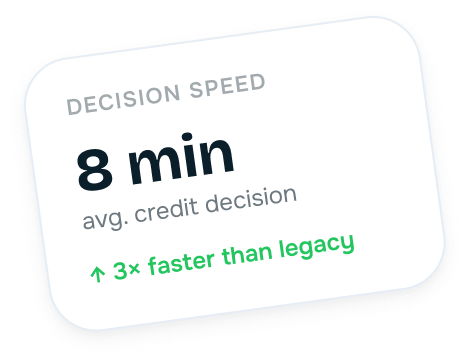
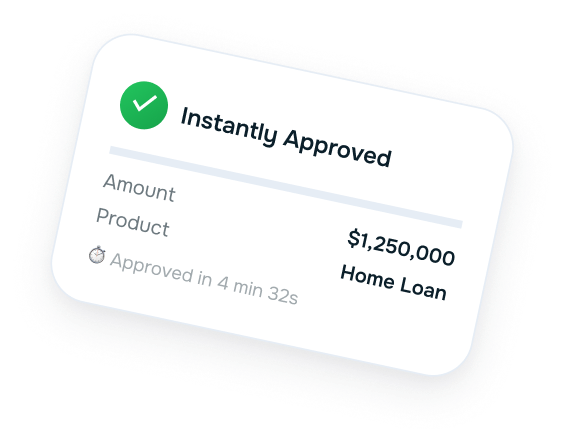
- One of the primary advantages is improved loan processing speed. By automating many of the repetitive tasks involved in loan applications, lenders can significantly reduce the time it takes to evaluate and approve loans. This acceleration not only benefits the lending institution but also enhances customer satisfaction by providing faster responses.
- Another key benefit is the reduction of manual errors. Traditional loan processing often involves extensive paperwork and data entry, which increases the risk of mistakes. An LOS minimizes these errors through automated data validation and standardized workflows, ensuring greater accuracy throughout the lending process.
- Furthermore, the streamlined approval process enabled by a Loan Origination System helps lenders manage applications more efficiently. By integrating credit checks, document verification, and compliance checks into a single platform, the system simplifies decision-making and reduces bottlenecks.
- Cost efficiency is also a significant advantage. By automating routine tasks and reducing the need for extensive manual labor, lenders can lower operational costs. This efficiency allows financial institutions to allocate resources more effectively and potentially offer more competitive loan products.
Overall, adopting a Loan Origination System leads to a more efficient, accurate, and customer-friendly lending experience, making it an essential tool for modern financial institutions.
How Loan Origination Systems Improve Compliance and Risk Management
Loan Origination Systems (LOS) play a crucial role in enhancing compliance and risk management within financial institutions. By incorporating regulatory compliance automation, these systems ensure that all loan applications adhere to the latest legal requirements, reducing the likelihood of costly violations. Advanced fraud detection features embedded in LOS help identify suspicious activities early in the process, safeguarding both lenders and borrowers.
Additionally, robust audit trail capabilities provide a transparent record of every action taken during the loan lifecycle, which is essential for regulatory reviews and internal audits. Risk assessment tools integrated within LOS enable lenders to evaluate borrower creditworthiness more accurately, minimizing default risks. Furthermore, seamless integration of Anti-Money Laundering (AML) and Know Your Customer (KYC) protocols ensures thorough verification of client identities, strengthening overall security and compliance efforts. Together, these features make Loan Origination Systems indispensable for maintaining regulatory standards and managing risk effectively.
Choosing the Right Loan Origination System for Your Lending Business
Choosing the right loan origination system (LOS) is a critical decision for any lending business aiming to streamline operations and improve customer experience. One of the primary factors to consider is software scalability. As your business grows, the LOS should be able to handle increased loan volume and adapt to new lending products without compromising performance. Equally important is integration with existing systems. The LOS must seamlessly connect with your current CRM, accounting software, and credit reporting tools to ensure smooth data flow and reduce manual entry errors. A user-friendly interface is essential to facilitate quick adoption by your team, minimizing training time and boosting productivity.
Additionally, reliable customer support and training services from the LOS provider can help address technical issues promptly and ensure your staff is well-equipped to use the system effectively. Finally, cost considerations should balance upfront expenses with long-term value, including licensing fees, implementation costs, and ongoing maintenance. By carefully evaluating these factors, lending businesses can select a loan origination system that supports their operational needs and growth objectives.
Implementing a Loan Origination System: Best Practices for Lenders
Implementing a Loan Origination System (LOS) is a critical step for lenders aiming to streamline their loan processing and improve customer experience. To ensure a smooth transition, it is essential to follow best practices throughout the implementation process.
First, developing robust data migration strategies is crucial to accurately transfer existing loan data into the new system without loss or corruption. This involves thorough data cleansing, mapping, and validation to maintain data integrity. Equally important is comprehensive staff training, which equips employees with the necessary skills to effectively use the LOS and adapt to new workflows. Conducting pilot testing before full-scale deployment allows lenders to identify and address potential issues early, minimizing disruptions.
Continuous system evaluation post-implementation helps in monitoring performance, identifying areas for improvement, and ensuring the LOS meets evolving business needs. Finally, maintaining clear and proactive customer communication during the transition fosters trust and keeps borrowers informed about any changes that may affect their loan processing experience. By adhering to these best practices, lenders can maximize the benefits of their Loan Origination System while minimizing risks associated with implementation.
Conclusion: Leveraging a Loan Origination System to Drive Lending Success and Customer Satisfaction
In conclusion, leveraging a loan origination system offers numerous benefits that can significantly enhance lending operations. By improving the lending workflow, these systems streamline application processing, reduce errors, and accelerate decision-making, leading to increased efficiency and faster loan approvals. Embracing digital transformation in finance through such technology not only boosts operational performance but also elevates customer satisfaction by providing a seamless and transparent borrowing experience.
For lenders looking to stay competitive, the next steps involve carefully selecting a loan origination system that aligns with their specific needs, investing in staff training, and continuously optimizing processes to maximize the system’s potential. Adopting this approach ensures sustained lending success and fosters stronger relationships with customers in an increasingly digital financial landscape.